Beyond the Tasting Room
Why the smartest thing a vineyard can plant next isn't vines — it's a place to stay the night.
A visitor arrives at your estate at three in the afternoon. They taste four wines, buy two bottles, take a photograph of the view, and drive away by five. It was a lovely visit. It was also, in every sense that matters to your business, far too short.
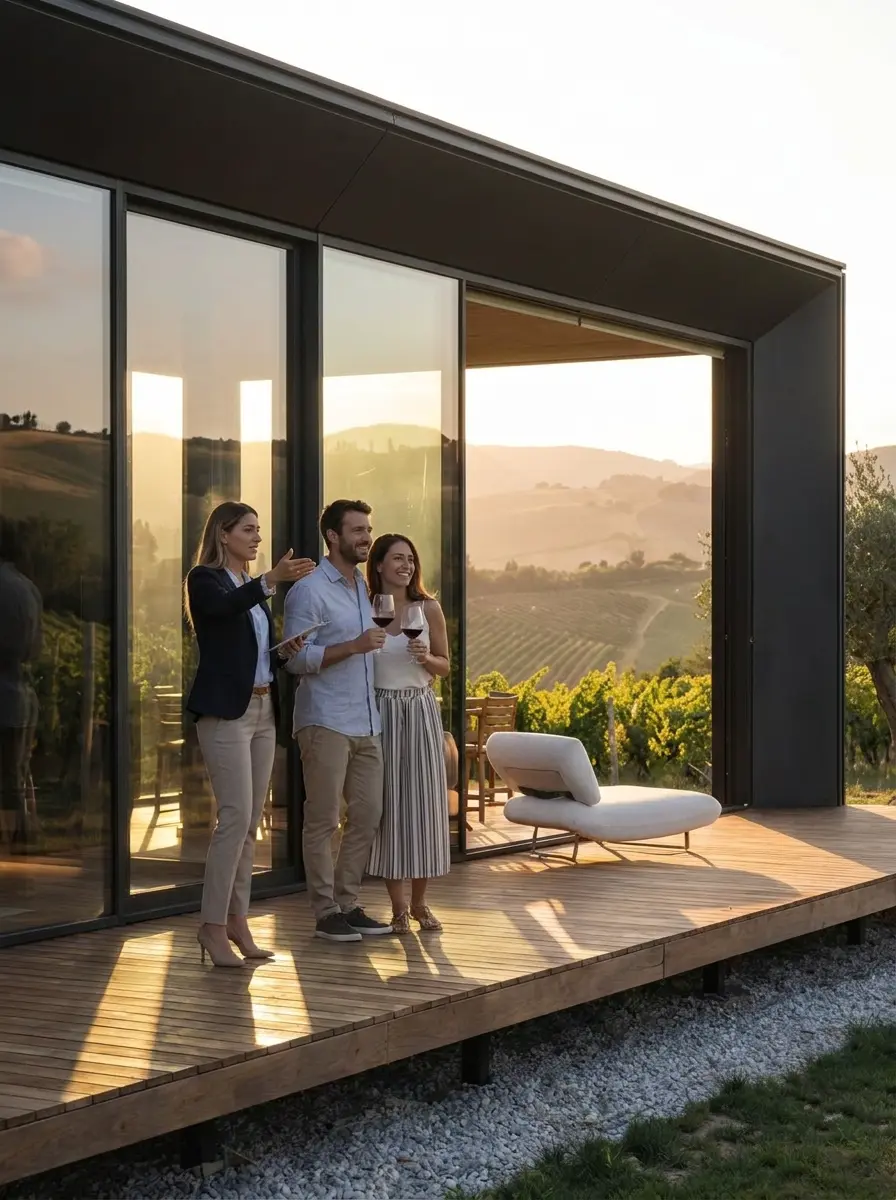
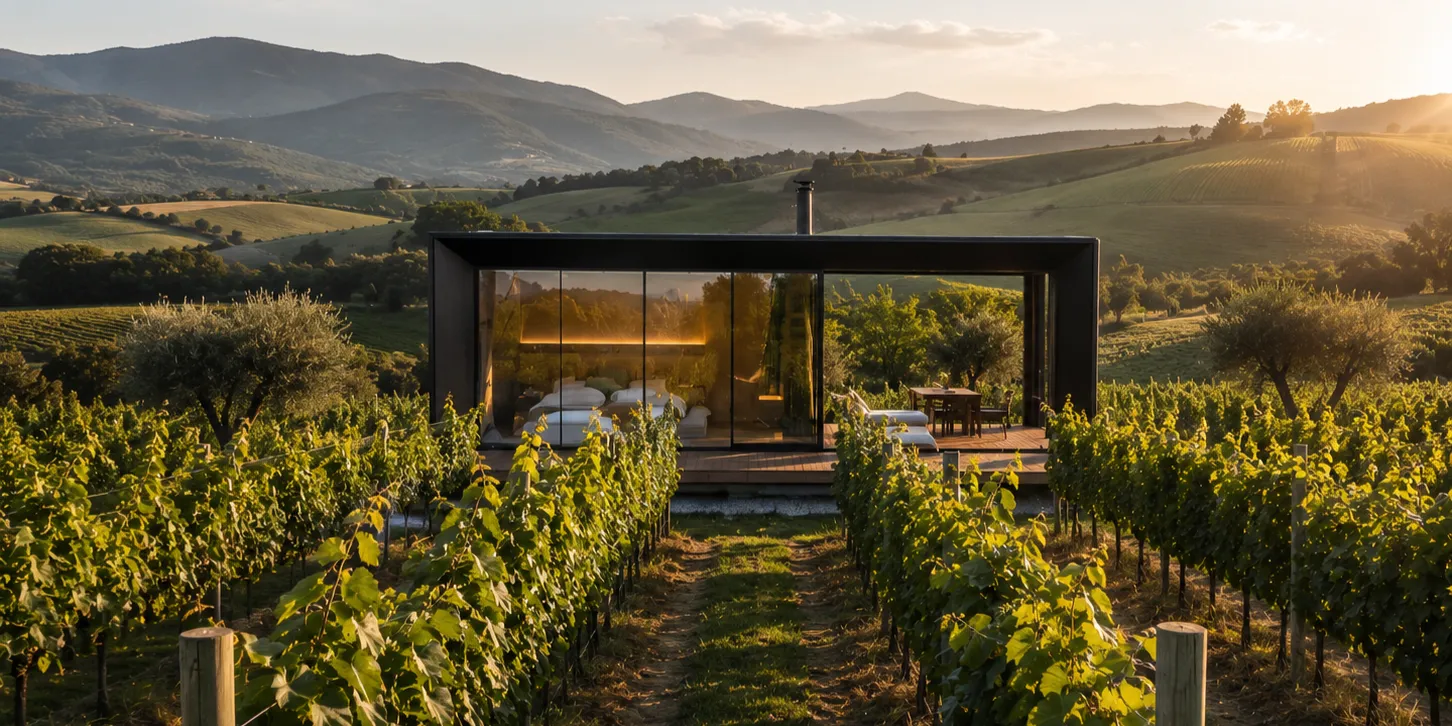
Now imagine the same visitor stays. They taste in the late afternoon, then watch the sun go down over your rows from a glass cabin set among the vines. They open one of your bottles with dinner because it is there and it belongs to this exact place. They wake to mist on the hillside and walk the rows before breakfast, coffee in hand, while the estate is still and entirely theirs. By the time they leave the next morning, something has changed. They don't just like your wine. They are bound to it.
That difference — between a visit and a stay — is one of the largest untapped opportunities in wine today. And it's why the most forward-thinking estates are quietly adding the one thing their land was missing: a beautiful place to spend the night.
The tasting room leaves money on the table
A cellar door is a wonderful thing, but it is built around a transaction that lasts under an hour. You have a guest's attention briefly, sell them a little, and send them home. The relationship, more often than not, ends in the car park.
Accommodation rewrites that entirely. It turns a forty-five-minute tasting into a full day-and-night immersion, and it does so during the hours your business currently earns nothing — the evening, the night, the slow golden morning. Those are precisely the hours when wine is most romantic, when bottles get opened, when memories are actually made. You are not adding a new product so much as finally monetising the most emotional part of the day.
The real prize: selling direct, and selling deep
Every winery knows the quiet arithmetic of distribution — how much of a bottle's value disappears between your gate and a shelf in another country. The dream is always to sell more of it yourself, directly, at full margin, to people who chose you on purpose.
An overnight guest is the most valuable direct customer you will ever meet. They are not comparing labels in a supermarket aisle; they are drinking your wine in the place it was born, with the person who made it a short walk away. That context does something no marketing budget can buy. It converts a casual taster into a member of your club, a repeat buyer, a name on your list who reorders for years and tells everyone they know.
This is the heart of the case. A stay doesn't just earn a nightly rate — though it does. Its deeper value is what it does to a guest's relationship with your brand: it deepens it past the point of forgetting. You are not renting a room. You are manufacturing loyalty, one unforgettable night at a time.
Smoothing the seasons
Vineyards live by a brutal calendar. The frantic intensity of harvest, the long held breath of winter, the surge and lull that make cash flow a nervous business. Much of the year, the estate is staggeringly beautiful and earning comparatively little from visitors.
Accommodation is one of the few additions that earns across all of it. The vines are dramatic in every season — the green rush of summer, the fire of autumn leaves, the stark architecture of bare rows under frost. A glass cabin sells that drama year-round, turning your quietest, most beautiful months into revenue rather than waiting. It steadies the very seasonality that makes winemaking financially anxious, with income that arrives whether or not it's the harvest.
The land you're not farming anyway
Most estates have it: the corner that doesn't grow well, the slope too steep to crop, the headland with the best view on the property that produces nothing but admiration. That land is sitting idle while the rest of the estate works.
A single, well-placed cabin turns that unproductive ground into the most profitable square metres on the estate — without taking a single vine out of production. You are not choosing between making wine and making rooms. You are layering a second, complementary business onto land that was contributing nothing, in a way that leaves your viticulture entirely untouched.
Your estate becomes a destination
There is a brand transformation here that's harder to put on a spreadsheet but may matter most of all. A vineyard people can only visit is a stop. A vineyard people can stay at is a destination — somewhere they plan a trip around, return to for anniversaries, recommend with the particular fervour reserved for places that gave them a perfect day.
Every guest who wakes among your vines leaves as a storyteller. They post the view. They bring the bottle to a dinner party and tell the table where they slept. Your wine stops being a liquid and becomes a memory with an address. In a market crowded with good bottles, the estate that can offer an experience — not just a product — is the one people remember and seek out.
It honours the work, it doesn't interrupt it
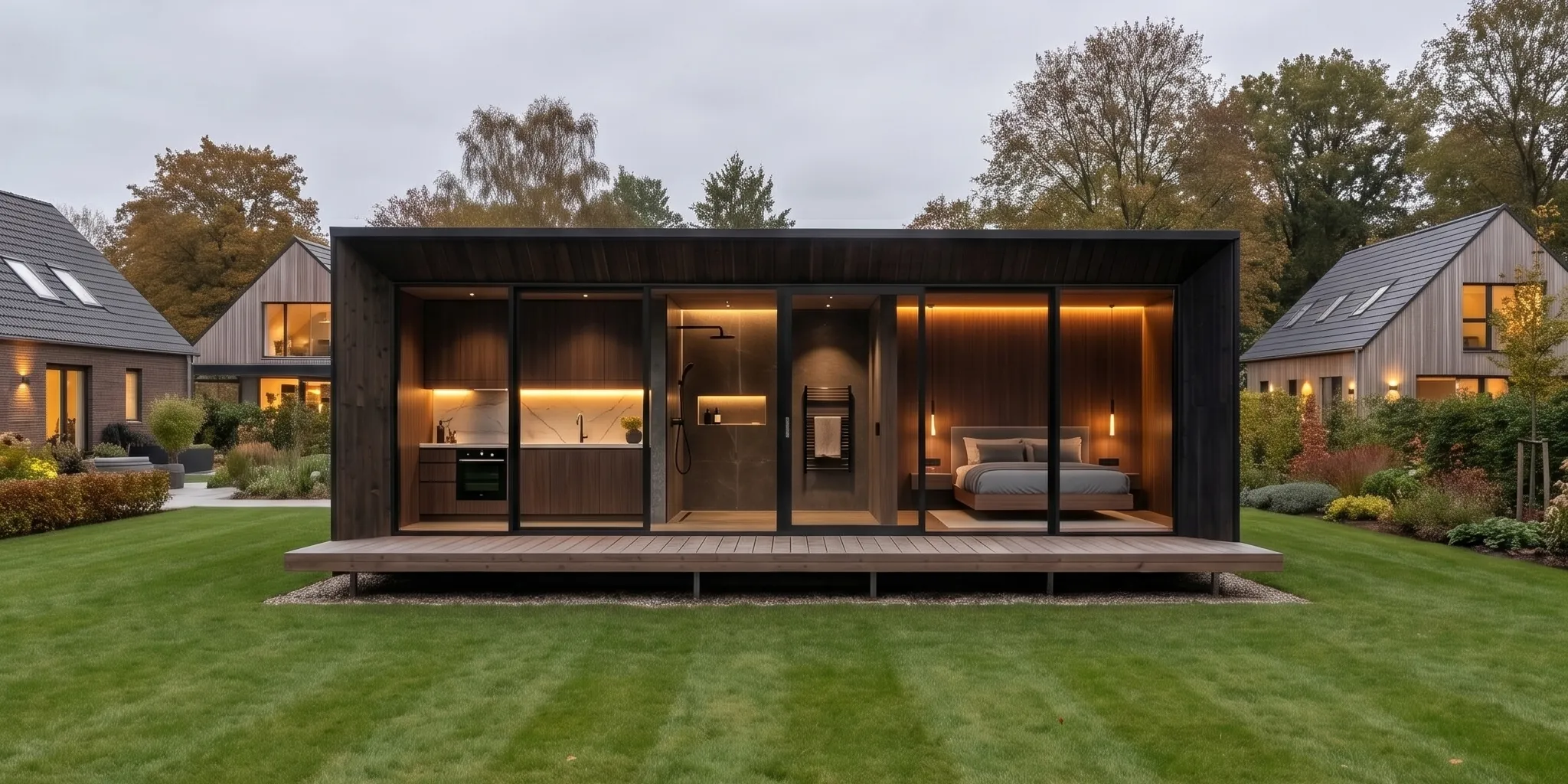
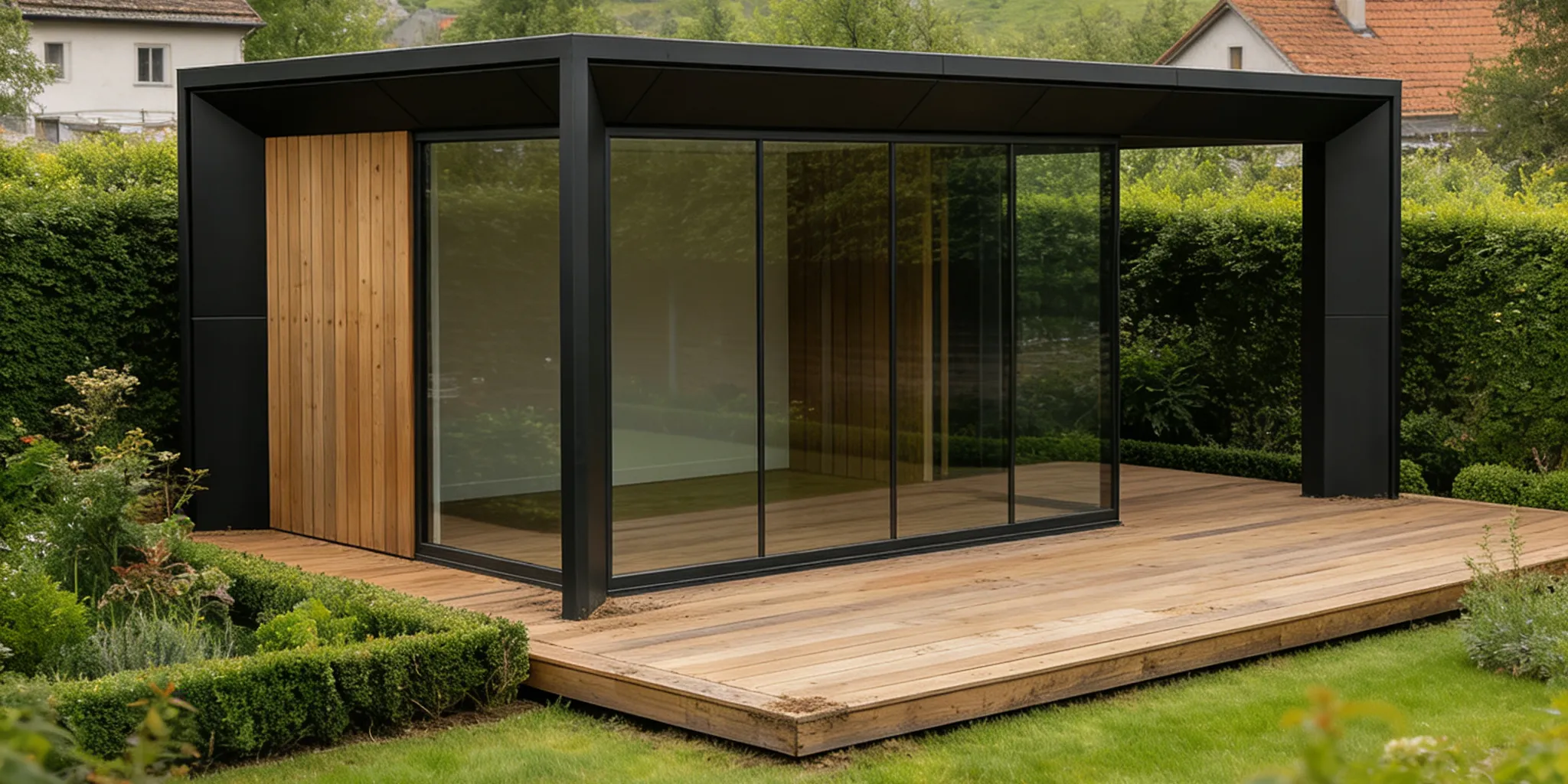
The natural worry is disruption: that adding hospitality means construction, mess, and a building site in the middle of a working estate. It needn't. A modular cabin is built elsewhere and placed gently on your land in a single day — no foundations gouged into the soil, no season of upheaval among the rows. It rests lightly, can often be removed again, and sits in the landscape as though it grew there.
That lightness matters to a winemaker. The land is the whole point of the wine; nothing added to it should overrule it. The right cabin defers to the vineyard — a quiet object of glass and timber that frames your rows rather than competing with them, and lets the estate remain, first and always, a place that grows wine.
The experience worth designing
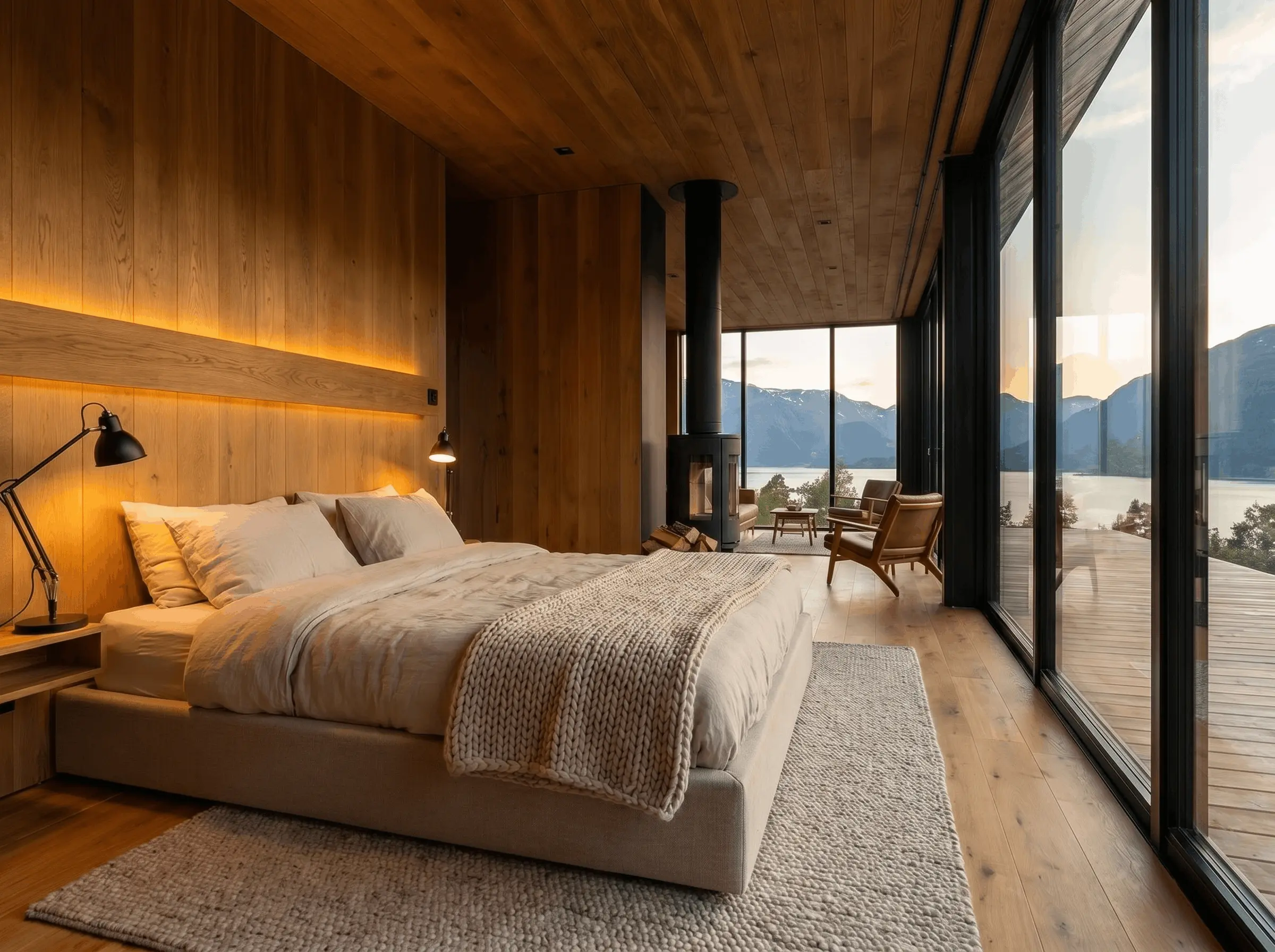
If you do this, do it as carefully as you'd make a single-vineyard cuvée. Site the cabin where the evening light rakes across the vines. Leave a bottle of the estate's best on the table. Let guests walk the rows at dawn. Offer the harvest as something to witness, not just hear about. The goal is for someone to lie in bed at night, the dark vineyard glowing faintly through the glass, and think: I never want to leave.
That feeling is the most powerful sales tool a winery has ever had. It cannot be bought, only built — and it begins with giving people a reason, and a place, to stay until morning.
Thinking about what a stay could do for your estate? Winbaum places cabins among the vines — lightly, beautifully, and without disturbing a single row.