Why the World Slowed Down and Booked a Cabin
On the quiet revolt against the rushed holiday — and the rooms that answer it.
Not long ago, a good holiday meant a long list. Cities ticked off, landmarks queued for, photographs taken at the same angle as everyone else's. You came home more tired than you left, with a camera roll and a faint sense that you'd seen a great deal and felt very little.
Something in us has pushed back. Quietly, and then all at once, people began choosing less. One place instead of five. A week of nothing instead of a sprint through everything. A view they could watch change, rather than a list they could complete. The industry has a tidy name for it — slow travel — but the feeling underneath is older than that. It's the simple wish to actually be somewhere.
The end of the anonymous room
The hotel was built for a different appetite. It promised sameness: the reassurance that a room in one city would feel like a room in any other. For decades that was the point. Now it's the problem.
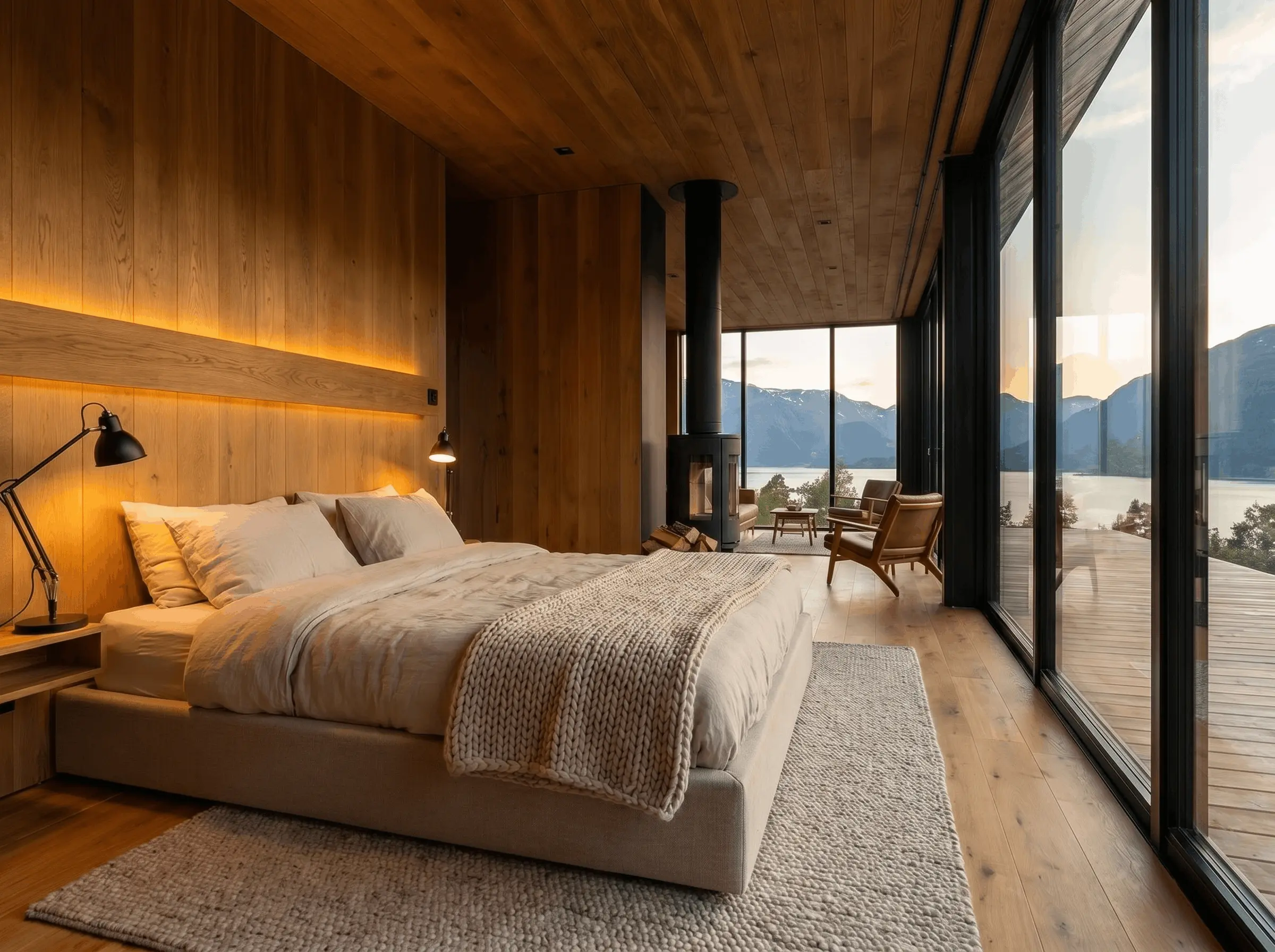
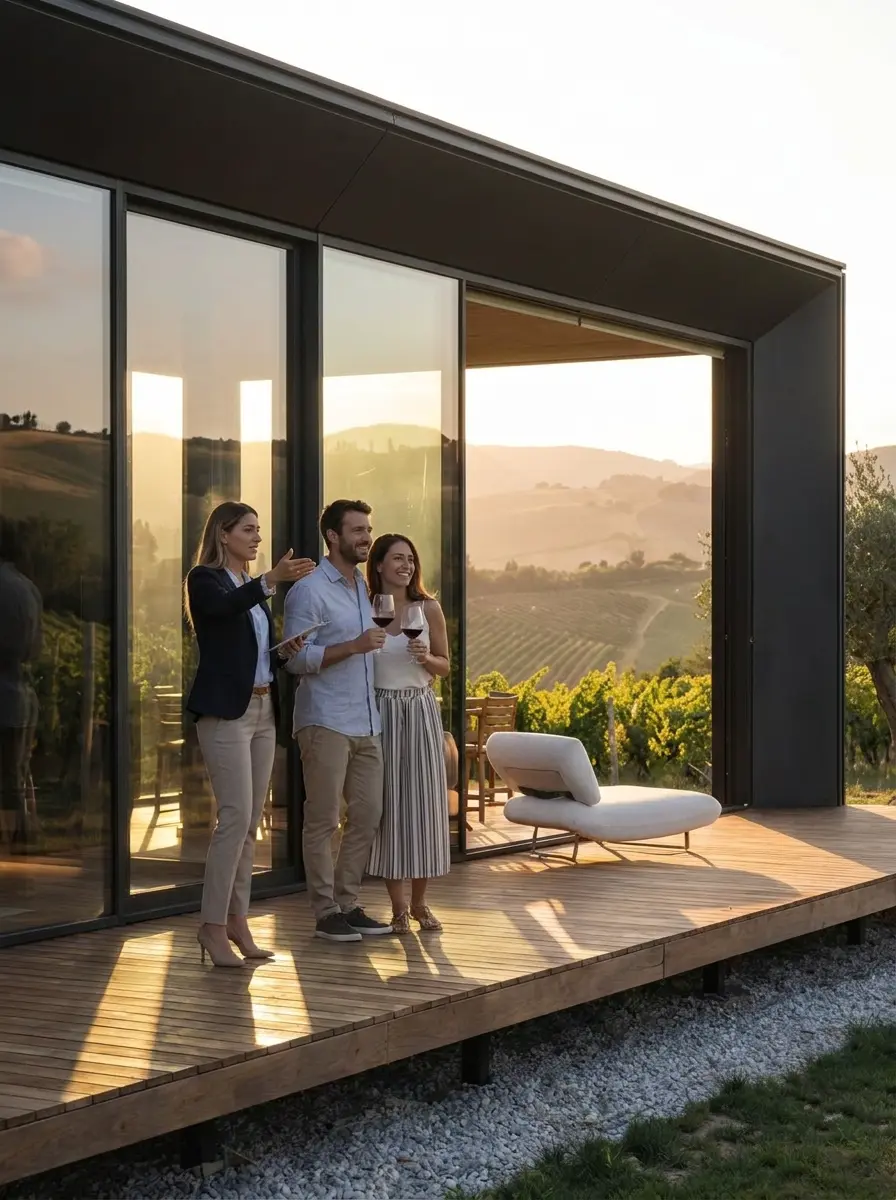
When the goal is to feel somewhere specific, anonymity is the last thing you want. You don't travel to a vineyard to sleep in a room that could be anywhere. You go to wake inside the landscape — to open your eyes to the rows of vines, the mist on the hills, the particular gold of that light at that latitude. A great stay no longer hides the place from you behind curtains and carpet. It hands the place to you, whole, through a wall of glass.
Design as the new luxury
Ask people what felt luxurious about a trip and they rarely mention thread counts anymore. They mention how a space made them feel. The line of a roof against the sky. A room so considered that nothing in it jarred. The strange peace of a small, perfect space that asked nothing of them.
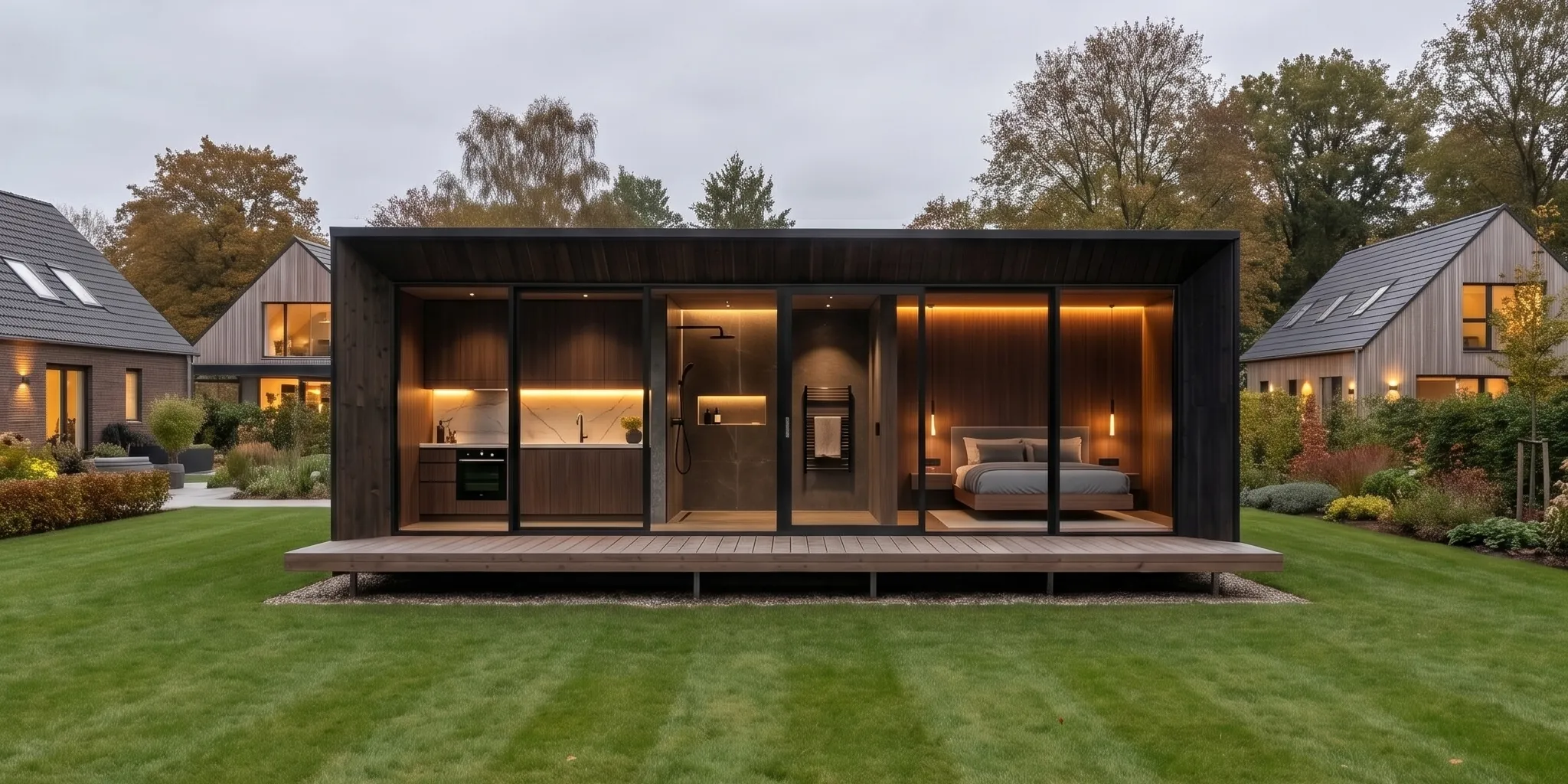
This is the heart of it: design has quietly become the luxury. Not excess, not gold taps, but intention — the sense that every surface, every sightline, every shadow was chosen by someone who cared. A beautifully made cabin trades on exactly this. It is small, so every centimetre had to earn its place. It is glazed, so the most expensive thing in the room is the view, which is free and infinite and never the same twice.
Nature, framed
There is a difference between being outdoors and being with the outdoors. Camping puts you in the weather. A glass cabin does something more elegant — it brings the landscape inside and lets you meet it on your own terms, warm and unhurried, coffee in hand, while the morning does its slow work on the other side of the glass.
That framing is the magic. A meadow seen through a single vast pane becomes a painting that moves. A storm becomes theatre. A sunrise becomes the only thing on the agenda. People will travel a long way, and pay gladly, for the privilege of doing nothing in front of a view that good.
A smaller footprint, a larger feeling
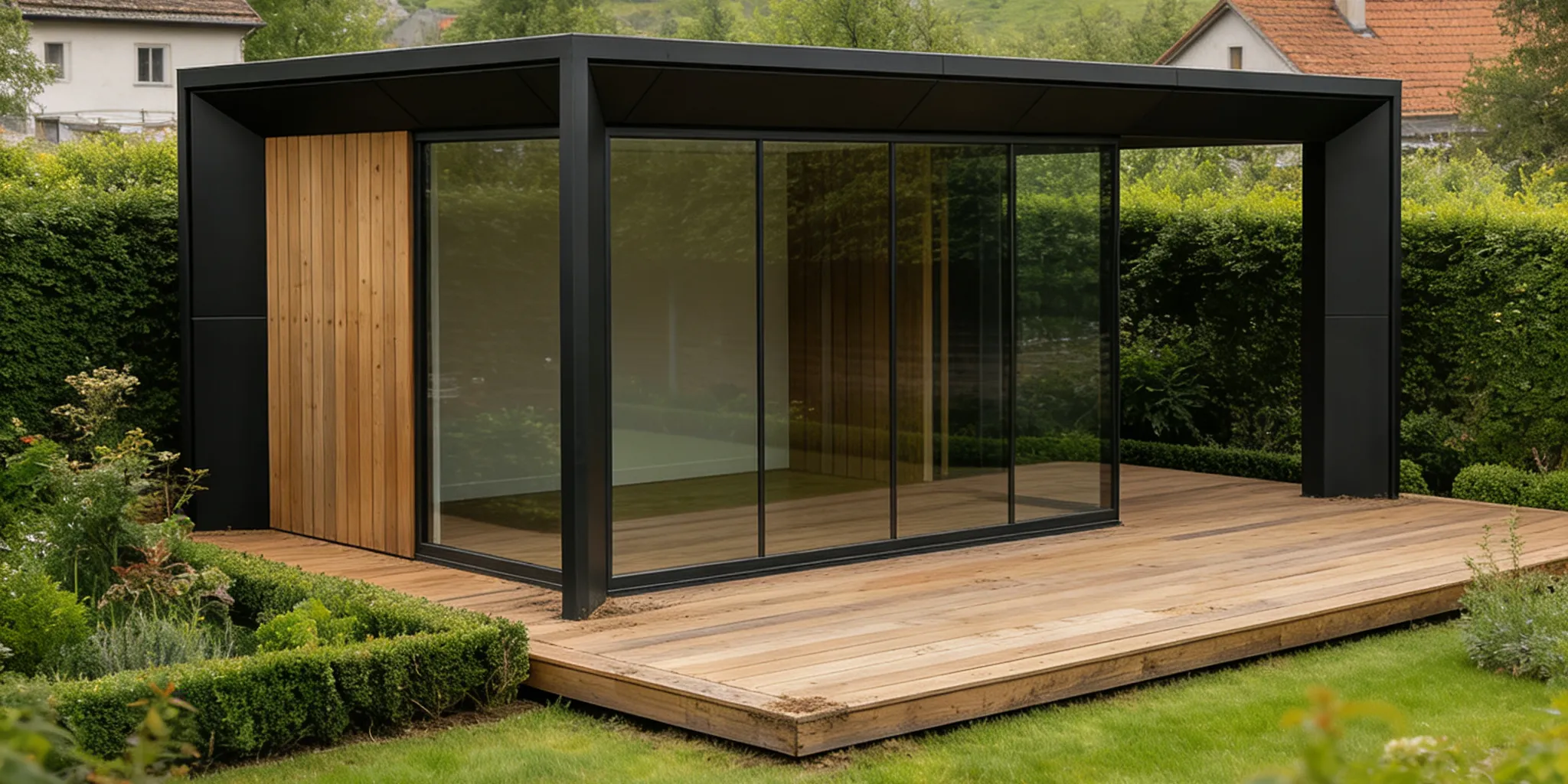
There's a moral comfort woven through all of this, too. The slow traveller tends to care how lightly they land. A compact, low-impact cabin set gently on the earth — rather than a resort carved into it — sits easily with that conscience. You can feel good about where you are, not only because it's beautiful, but because it took so little from the place to put it there.
It turns out the things that make these stays sustainable are the same things that make them desirable: less, but better. Smaller, but finer. A single object, placed with care, in a setting it was designed to honour rather than overrule.
The point of slowing down
The deepest reason this shift has lasted is that it works. People come back from a few slow days somewhere beautiful and report the same thing — that they feel like themselves again. That the silence did something. That they remember the light.
That is what the modern traveller is really booking. Not a bed, but a chance to exhale. Not a destination to conquer, but a place to be still inside. The cabin in the vineyard, the cradle of glass on the hillside, exists precisely for that — and the world, having slowed down enough to notice, has been quietly making its reservations.